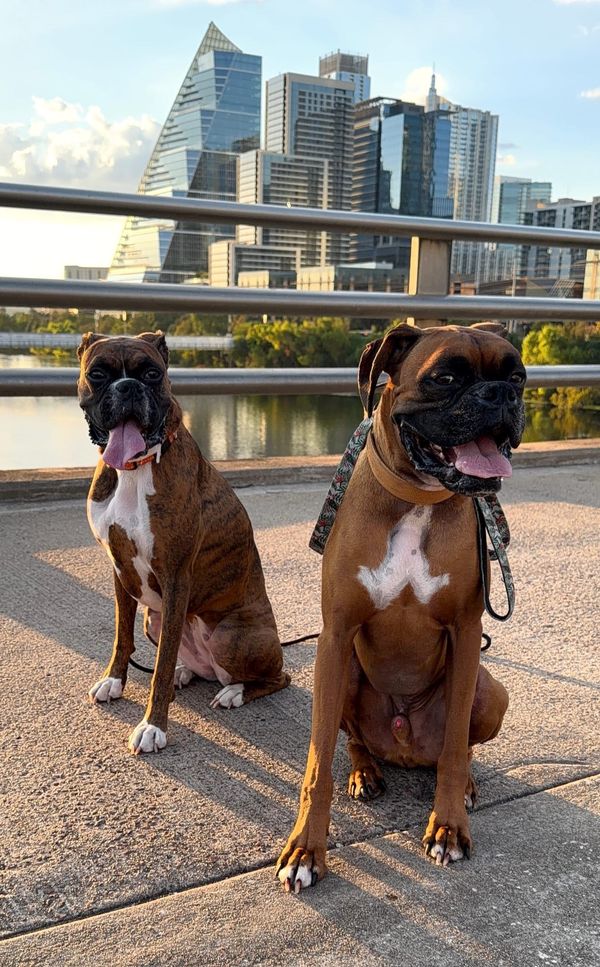
Boxer Bloodlines Explained: How American vs European Boxers Affect Temperament & Training
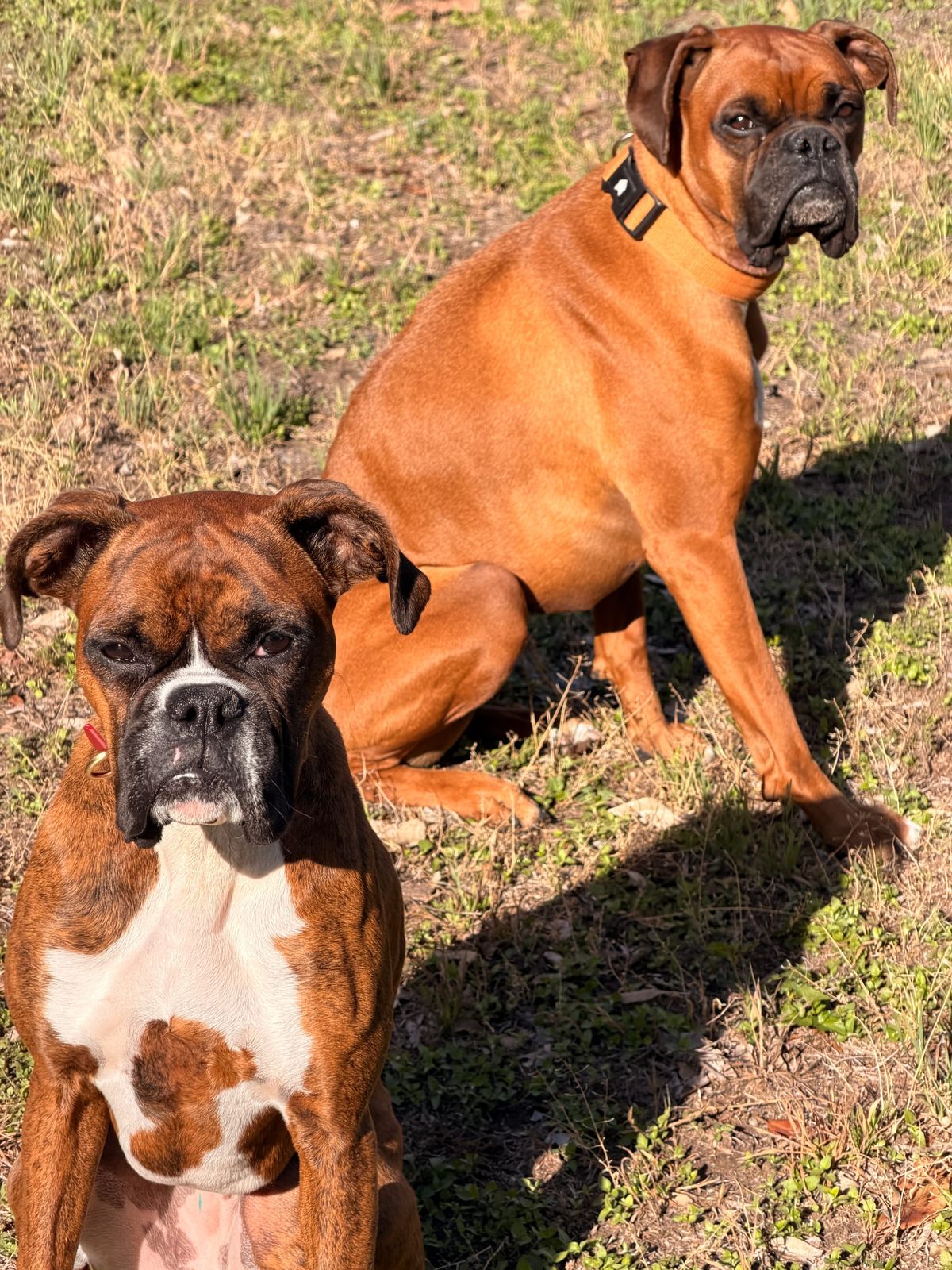
TL;DR: Not all Boxers are the same. American and European (German) bloodlines have real differences in temperament, energy, and drive. Understanding your Boxer’s lineage helps you adjust training, exercise, and expectations — which leads to a calmer, more predictable dog.
Why Bloodlines Matter More Than Most People Think
When people say “Boxers are energetic” or “Boxers are great family dogs,” they’re not wrong—but they’re also not telling the full story.
Because there isn’t just one type of Boxer.
There are different bloodlines, and those bloodlines influence:
- energy levels
- drive and intensity
- sensitivity
- trainability
- protective instincts
If you don’t understand this, you can end up:
- under-exercising a high-drive dog
- overcorrecting a sensitive one
- or misreading behavior entirely

The Three Main Boxer Types
Most Boxers fall into one of these categories:
- American Boxer
- European / German Boxer
- Mixed Bloodline (most common)
Let’s break them down.

American Boxers: The Companion Athlete
American Boxers are what most people picture when they think of a family Boxer.
Temperament Traits:
- more social and people-oriented
- slightly lower intensity
- playful and goofy
- easier to manage for first-time owners
They still have energy—but it’s more balanced than extreme.
Training Approach for American Boxers
With American lines, focus on:
- consistency over intensity
- positive reinforcement
- clear routines
They respond well to:
- structure
- repetition
- engagement
But they don’t usually need extreme levels of stimulation.
Common Mistake
Owners sometimes assume:
“My Boxer will just figure it out”
Even American Boxers need:
- structure
- boundaries
- daily movement
Without it, they still become:
- restless
- destructive
- overly attached
European / German Boxers: The Working Powerhouse
European Boxers (especially German lines) were bred with working ability in mind.
This includes:
- protection work
- guarding
- high-level obedience
Temperament Traits:
- higher drive and intensity
- stronger protective instincts
- more focused and serious
- extremely loyal
These Boxers are not just playful—they are purpose-driven.

Training Approach for European Boxers
This is where things change significantly.
European Boxers need:
- structured training
- clear leadership
- consistent mental stimulation
Best practices:
- daily training sessions
- defined roles/tasks
- controlled outlets for energy
They thrive when they have a job to do.
Common Mistake
Treating them like a “casual family dog.”
Without proper structure, European Boxers can become:
- frustrated
- reactive
- overly dominant
- difficult to manage
This isn’t a “bad dog” problem—it’s a mismatch of expectations.

Mixed Bloodlines: The Most Common Reality
Most Boxers today are a mix of American and European lines.
This creates a spectrum.
You might have a dog that is:
- very social, but also high-drive
- calm at home, but intense outside
- sensitive, but stubborn
How to Read Your Boxer’s Temperament
Instead of guessing, observe:
Energy Output
- Do they settle easily?
- Or are they constantly looking for stimulation?
Engagement
- Do they stay focused during training?
- Or lose interest quickly?
Sensitivity
- Do they respond softly to correction?
- Or need firmer structure?
Adjusting Your Training Based on Your Boxer
Here’s the key idea:
👉 Train the dog in front of you—not the breed stereotype.
If Your Boxer Is More American-Leaning:
Focus on:
- routine
- moderate exercise
- engagement-based training
Avoid:
- under-stimulation
- inconsistency
If Your Boxer Is More European-Leaning:
Focus on:
- structure
- mental work
- clear leadership
Avoid:
- boredom
- lack of direction

If Your Boxer Is Mixed:
You’ll need to:
- test different approaches
- observe responses
- adjust over time
There’s no one-size-fits-all plan here.
Where Exercise Fits Into All of This
Bloodline directly affects exercise needs.
- American Boxers → 2–3 structured walks + play
- European Boxers → walks + training + mental work
If your Boxer isn’t settling, it’s often not just “too much energy” — it’s misdirected energy.
Apartment Living & Bloodlines
This is where things get interesting.
Yes, both types can live in apartments—but:
American Boxers:
- adapt more easily
- settle faster
- require less intensity
European Boxers:
- can struggle without structure
- need more intentional routines
- require mental outlets
This doesn’t mean they can’t live in apartments.
It means:
👉 you need to be more intentional.
Final Thought
Your Boxer’s bloodline doesn’t determine success—it determines your approach.
If you:
- match their energy
- understand their temperament
- adjust your training
You’ll have a dog that is:
- calmer
- more responsive
- easier to live with
That’s the difference between:
- fighting your dog
- and working with them
Continue Learning
👉 Complete Boxer Training & Exercise Guide
👉 How to Strengthen Your Boxer’s Bond
👉 Indoor Boxer Games (No Yard Needed)
Affiliate disclosure: TheBoxerBond may earn from qualifying purchases—at no extra cost to you.
© 2025 · Made with love & care in Austin, Texas · TheBoxerBond